How do I get a custom electronics enclosure made in Montreal?
The best starting point is the electronics the enclosure needs to protect and support. That may be a PCB STEP file, board dimensions, an assembled device or an early prototype.
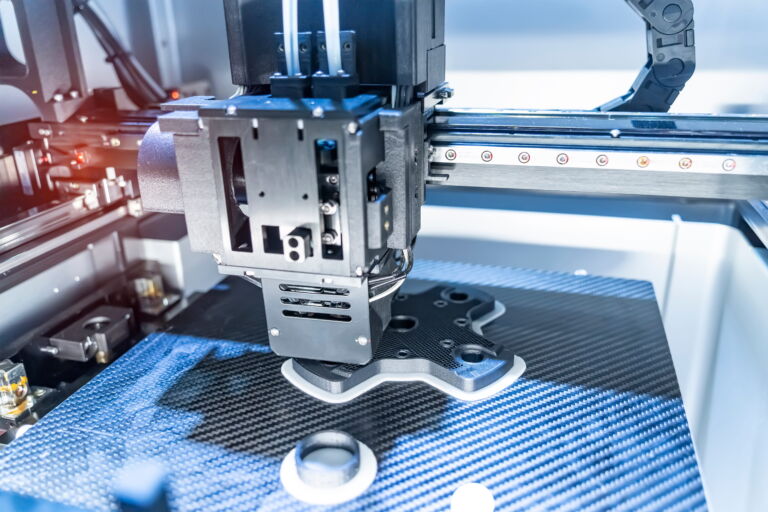
3DRM Tech supports electronics and IoT product development in Montreal through CAD design, 3D printing, CNC machining and low-volume manufacturing.
Useful information for an enclosure project includes:
- PCB STEP file or board dimensions
- Mounting-hole locations
- Connector positions
- Switch, button and display locations
- Sensor exposure requirements
- Battery dimensions
- Cable routing
- Overall product-size targets
- Mounting method
- Expected quantity
What should a custom PCB enclosure design account for?
What is the workflow from PCB to finished enclosure?
1. Collect the electronics and requirements
Start with the PCB geometry, components and physical constraints. If no STEP model exists, reliable dimensions or the physical hardware may still provide enough information to begin.
2. Build the enclosure in CAD
CAD design establishes wall geometry, board supports, connector openings, fastening, access, ventilation and external mounting.
3. Manufacture a prototype
A prototype allows the actual electronics to be installed and checked before additional units are produced.
4. Test fit and usability
Confirm connector access, button alignment, cable clearance, board retention, assembly sequence and fit with surrounding equipment.
5. Revise and manufacture the next version
Because the design exists digitally, changes can be made in CAD and manufactured again.
Should a custom electronics enclosure be 3D printed?
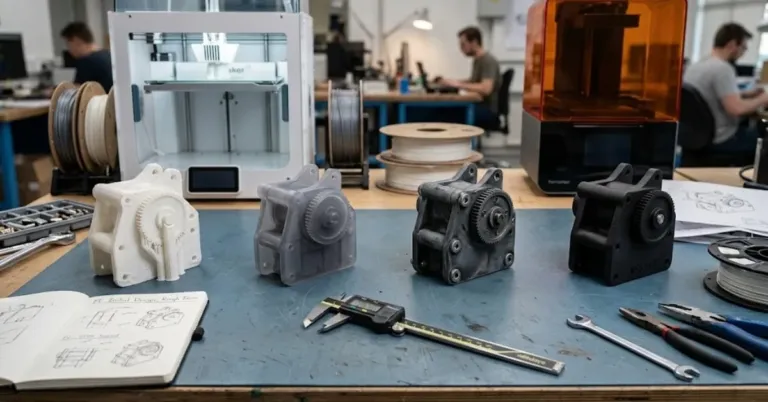
For many prototypes and low-volume housings, yes. FDM, SLS and SLA 3D printing provide different options depending on size, detail, material and functional requirements.
| Process | Where it may fit | Typical enclosure considerations |
|---|---|---|
| FDM | Functional prototypes, larger housings, brackets and iterative development | Material, wall structure, orientation and surface finish |
| SLS | Complex nylon housings, snap features and suitable low-volume parts | Geometry, wall thickness, assembly and nylon material requirements |
| SLA | Detailed visual prototypes and fine-feature housings | Resin properties and the real operating environment |
When should an electronics enclosure be CNC machined?
CNC machining may be appropriate when a housing needs aluminum or another machined material, threaded features, specific mechanical interfaces, or a finish and structure better suited to machining.
A product can also move from a printed prototype to a machined enclosure once geometry and assembly have been validated.
Why should the enclosure be tested with the real PCB?
Real assemblies often reveal practical problems that are easy to miss on screen:
- A connector plug needs more clearance than expected.
- A cable cannot bend at the intended angle.
- A component sits higher than the simplified board model.
- A button does not align comfortably with the housing.
- A screw cannot be reached during assembly.
- The enclosure collides with another part of the product.
This is why rapid prototyping is especially useful for electronics development.
Can you make a small production batch of custom enclosures?
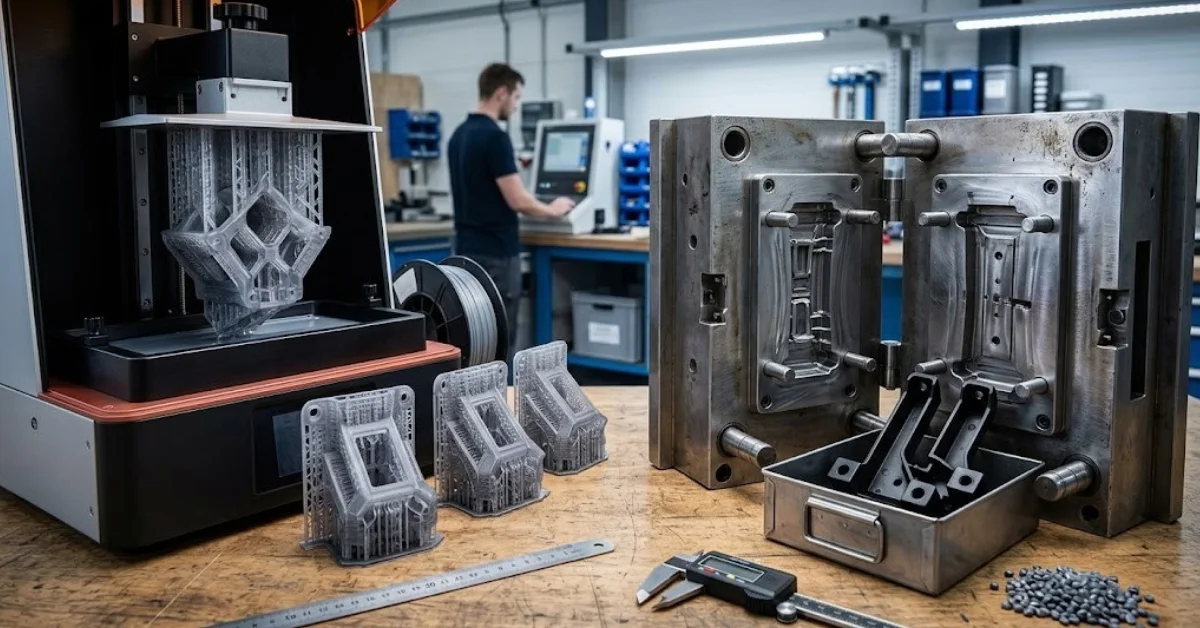
Yes, for suitable designs. Once the enclosure has been validated, it can be reviewed for low-volume production using an appropriate additive or machining process.
Applications can include pilot products, industrial sensors, IoT devices, robotics controllers, specialized electronics, research equipment and low-volume commercial hardware.
Frequently asked questions about custom electronics enclosures in Montreal
Can you design an enclosure around my existing PCB?
Yes. The design can be developed around board dimensions, mounting holes, connectors, switches, displays, batteries, sensors and internal clearances.
What file should I send for an enclosure quote?
A PCB STEP file is very useful. If one is unavailable, send board dimensions, drawings, photographs, connector information and the physical hardware where appropriate.
Can a custom enclosure be 3D printed?
Yes. FDM, SLS and SLA can be considered for suitable enclosure prototypes and low-volume housings depending on material, geometry and application.
Can you make an aluminum electronics enclosure?
Suitable metal housings, panels and device components can be evaluated for CNC machining.
Can I order one prototype before a batch?
Yes. Prototyping the enclosure with the actual electronics is often useful for validating fit, connector access and assembly before repeat production.
Where can I get a custom PCB enclosure made in Montreal?
3DRM Tech is based in Mount Royal, Quebec and provides CAD design, 3D printing, CNC machining and low-volume manufacturing for suitable electronics-enclosure projects.
Need a housing for a PCB, sensor or IoT device?
Send your board CAD, dimensions, prototype or product requirements. 3DRM Tech can help develop the enclosure and review the best route for prototyping or production.
Request an Enclosure Project Review →