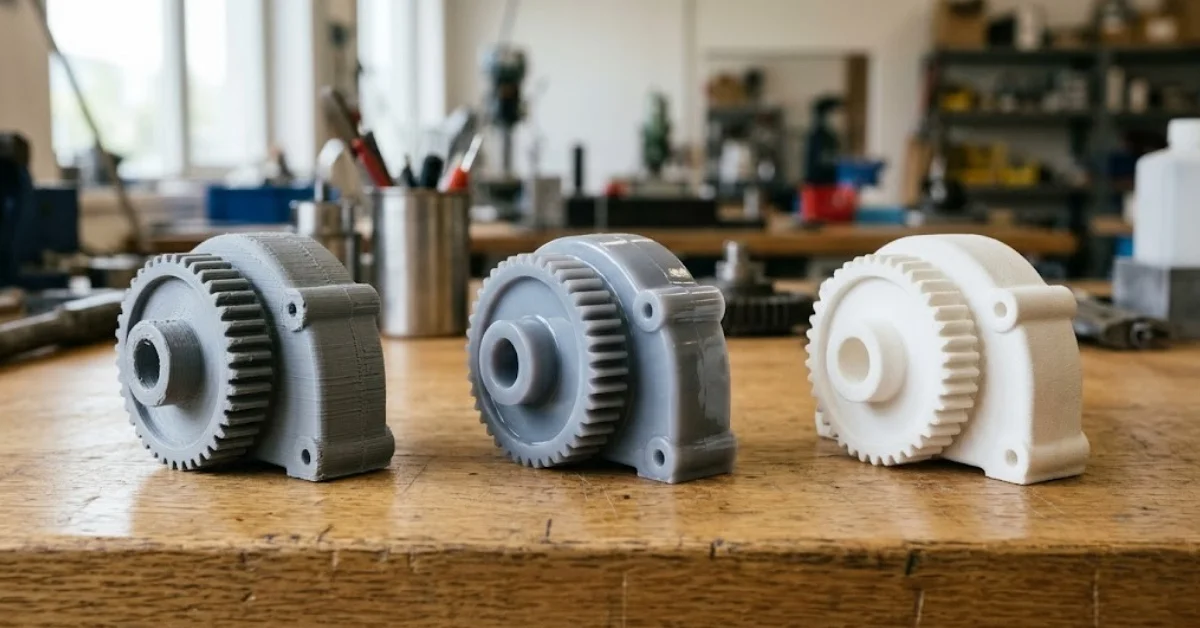
3D Printing · Guide
FDM, SLA, or SLS: Which 3D Printing Process Fits Your Part?
They're not three tiers of the same thing — they're three different tools. Here's how FDM, SLA and SLS compare on detail, strength, finish and cost, and how to pick.
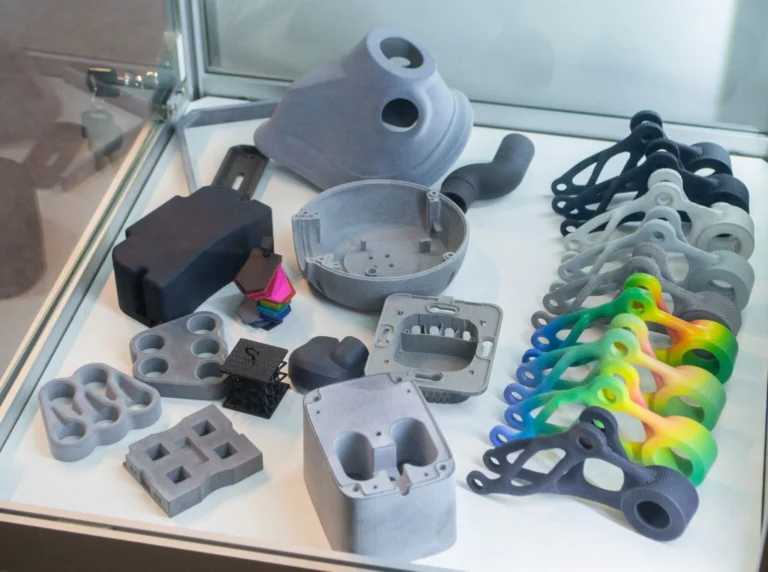
Once you've decided a part should be 3D printed, a second question lands right away: which process? FDM, SLA and SLS all build parts layer by layer, but they do it in completely different ways — and picking the wrong one means a part that's too weak, too rough, or more expensive than it needed to be. All three run in our print shop, and we choose per part, not by habit.
The trick is to stop thinking of them as good/better/best and start matching each to what your part actually has to do. Below is the plain version: what each process is, how they stack up side by side, and a quick way to pick based on the one thing you care about most. If you'd rather just send us the file, we'll recommend the process — but here's how they differ.
Short answer
FDM is the cheapest and toughest for functional prototypes and larger parts, but shows layer lines. SLA gives the finest detail and smoothest finish for visual and precise parts, though the resin is more brittle. SLS makes the strongest functional parts with complex geometry and no supports, at a higher cost. Match the process to what the part has to do — not to a ranking.
01The three processes at a glance
Each process is defined by how it puts material down — melted filament, cured resin, or sintered powder. That single mechanism explains almost everything else about it.
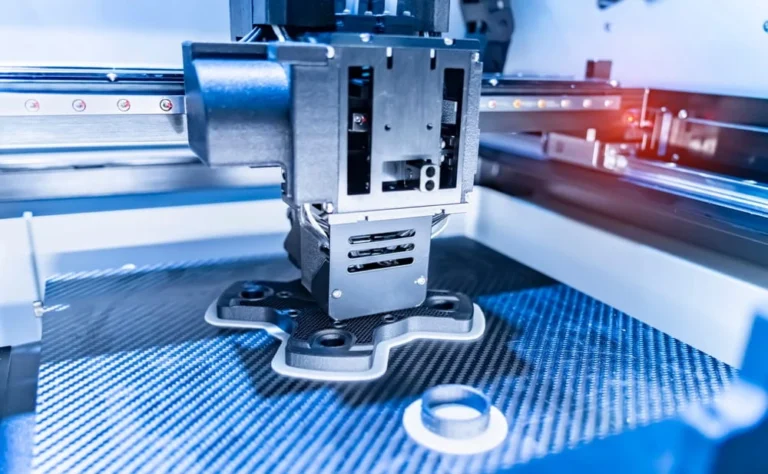
Melts thermoplastic filament and lays it down layer by layer.
- Cheapest & fastest
- Tough engineering plastics
- Large build volumes
- Visible layer lines
Cures liquid resin with light for high-resolution parts.
- Finest detail
- Smoothest finish
- Clear & specialty resins
- More brittle
Sinters nylon powder with a laser — the bed supports the part.
- Strongest parts
- No support structures
- Complex geometry
- Higher cost
Read those three and a rough shape appears: FDM for cheap and tough, SLA for fine and smooth, SLS for strong and complex. The detail lives in how they trade off against each other.
02How they compare, criterion by criterion
Same part, three processes — here's how the trade-offs line up across the things that usually decide it.
| Criterion | FDM | SLA | SLS |
|---|---|---|---|
| Detail | Moderate (~±0.2–0.5mm) | Finest (~±0.1mm) | Good (~±0.3mm) |
| Surface finish | Layer lines | Smooth | Matte / grainy |
| Strength | Good | Brittle (std resin) | Strongest |
| Material | Thermoplastics | Resins | Nylon powder |
| Supports | Required | Required | None |
| Cost | Lowest | Medium | Higher |
| Best for | Functional, large | Detail, visual | Strong, complex |
There's no winner in the abstract — only the process that fits the part in front of you.
03Pick by what matters most
If you only optimise for one thing, the choice gets simple. Find the priority that matters most for your part and follow it across.
04You don't have to choose just one
Plenty of projects use more than one process, and that's often the smartest route. A common pattern is to iterate cheaply in FDM while the design is still moving, then switch to SLS for strong end-use parts or SLA for a presentation-grade finish once it's locked.
Single products mix them too — an FDM internal chassis inside an SLA housing, say. Because we run all three in-house, we can split a job across processes instead of forcing every part through one machine.
Not sure which process your part needs?
Send us your STEP or STL and we'll recommend FDM, SLA or SLS — then print it.
Start a quoteFrequently asked questions
// tap a question to expand
What's the difference between FDM, SLA, and SLS?
FDM extrudes melted thermoplastic filament layer by layer, SLA cures liquid resin with light, and SLS sinters nylon powder with a laser. Those three methods drive the differences in cost, detail, strength, and surface finish.
Which is the strongest?
SLS nylon is generally the strongest and most consistent across print directions. FDM parts are strong in tough materials but weaker along the layers, and standard SLA resin is comparatively brittle.
Which has the best surface finish?
SLA, by a clear margin — it produces near-injection-moulded smoothness straight off the machine. SLS gives a uniform matte, slightly grainy texture, while FDM shows visible layer lines that usually need post-processing.
Which is cheapest?
FDM, for most parts. SLA sits in the middle, and SLS has higher setup and material costs — though SLS becomes cost-effective for low-volume batches because it needs no support structures.
Which handles complex geometry best?
SLS. The surrounding powder supports the part as it prints, so there are no support structures — which lets you print internal channels, interlocking features, and moving parts in a single piece.
Can I prototype in one process and produce in another?
Yes, and it's common. Teams iterate cheaply in FDM, then switch to SLS for strong end-use parts or SLA for a high-detail finish once the design is locked. Send us the part and we'll advise the mix.