If you’re ordering 3D printed parts for the first time, the toughest call isn’t whether to print — it’s which process to use. FDM, SLS and SLA are the three workhorses of 3D printing, and each is built for a different job. Here’s how to choose, in plain terms.
FDM — tough and cost-effective
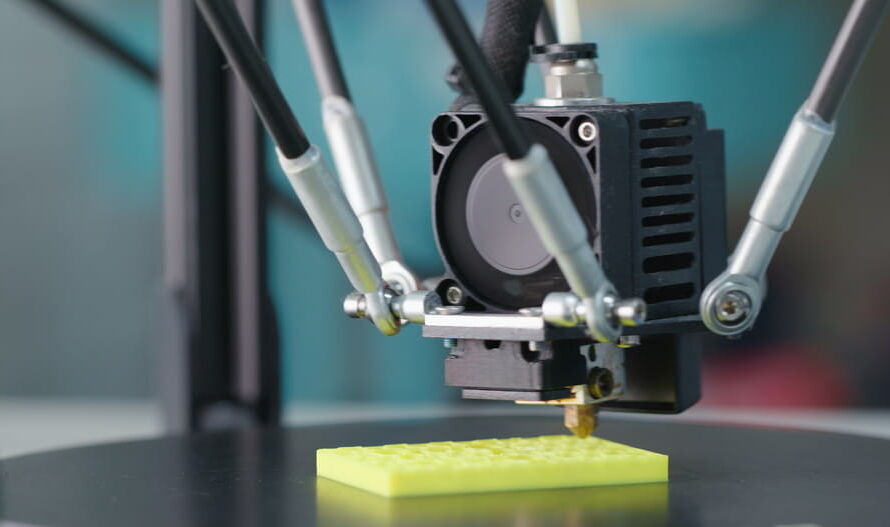
Fused Deposition Modeling builds parts layer by layer from melted plastic. It’s the most affordable option and produces strong, rigid parts in materials like PLA, PETG, ABS and nylon. FDM is ideal for functional prototypes, jigs and fixtures, and rigid housings. The trade-off is visible layer lines. Learn more in What Is FDM 3D Printing?.
SLS — durable parts, complex shapes
Selective Laser Sintering fuses nylon powder with a laser, with no support structures needed. That makes it great for complex geometries and durable, end-use nylon parts. See What Is SLS 3D Printing? for a deeper look.
SLA — fine detail and smooth surfaces
Stereolithography cures liquid resin with a UV laser for high resolution and smooth finishes — perfect for detailed visual prototypes and precise fits. More in What Is SLA Resin 3D Printing?.
Quick guide
- Strong and cheap? FDM.
- Durable with complex geometry? SLS.
- Fine detail and smooth finish? SLA.
Material choice matters as much as the process — see how to choose the best material for printed parts. Still unsure? Send us your file and we’ll recommend the right path.
Related reading
Services: 3D Printing
Ready to make your part? Request a quote from 3DRM Tech — send a file or just your idea and we’ll recommend the best process and price.