FDM (Fused Deposition Modeling) is the most widely used 3D printing technology — and for most everyday parts, it’s the most practical. Here’s what it is and when to use it.
How FDM works
A heated nozzle melts thermoplastic filament and lays it down layer by layer to build a part. It’s reliable, fast and economical, which is why it’s the default for functional prototyping and many end-use parts.
Common materials
- PLA — easy and inexpensive, good for concept models.
- PETG — tougher and more chemical-resistant.
- ABS — heat-resistant and durable.
- Nylon — strong, with good wear resistance.
Best uses
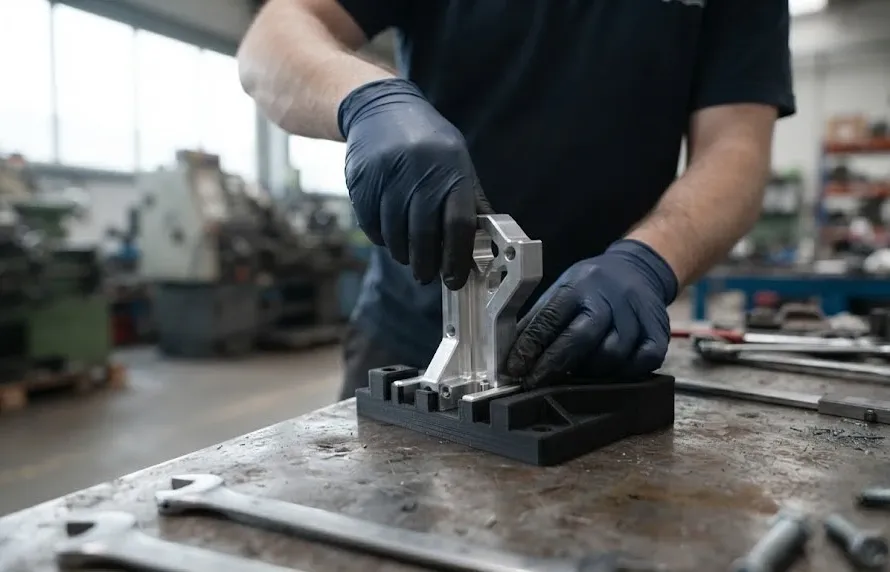
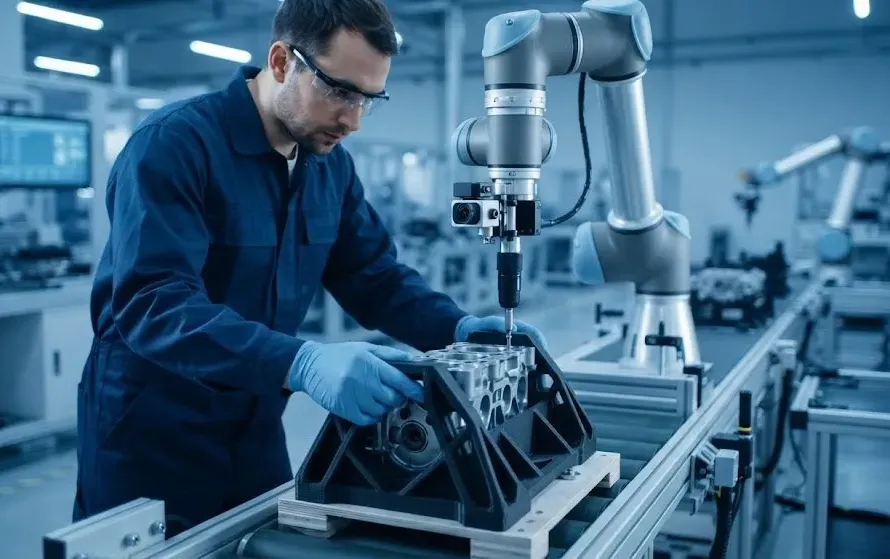
FDM shines for functional prototypes, brackets, enclosures, and jigs and fixtures. If you need finer detail or complex geometry, compare it against the other processes in FDM vs SLS vs SLA. Picking the right polymer? See choosing the best material.
The benefit in one line: FDM gives you strong, usable parts at the lowest cost — a great starting point for most projects.
Related reading
Services: 3D Printing
Ready to make your part? Request a quote from 3DRM Tech — send a file or just your idea and we’ll recommend the best process and price.